Home Cooking Essentials: From Beginner Pantry to Budget‑Friendly Family Meals
— 8 min read
90% of families report that cooking at home cuts grocery bills and improves nutrition.
Turning the kitchen into a reliable source of meals doesn’t require gourmet skills - just the right tools, a simple plan, and a few clever habits.
Home Cooking Essentials for Newbies
When I first swapped a fast-food habit for my own stovetop, the biggest hurdle wasn’t recipes; it was inventory. A well-stocked pantry acts like a backstage crew, ready to support any lead role you assign it. I started with five core groups: grains (rice, pasta, oats), proteins (canned beans, lentils, frozen chicken), seasonings (salt, pepper, dried herbs), fats (olive oil, butter, nuts) and basic veggies (onions, garlic, canned tomatoes). Each item scales easily - double the pasta, halve the beans, and you’ve got a flexible base for hundreds of dishes.
Tool-talk is often glossed over in glossy cooking shows, but owning the right implements eliminates guesswork. My early arsenal consisted of a sharp chef’s knife, a medium cast-iron skillet, a sturdy saucepan with a lid, a colander, and a wooden spoon. Knowing when to sear versus simmer prevents soggy results and builds confidence. For instance, a hot skillet sealed a chicken breast in two minutes, while a gentle simmer kept quinoa fluffy without a starchy crust.
Flavor is the true transformer of humble ingredients. I practice three simple techniques every week: sautéing aromatics (onion, garlic, ginger) to create a fragrant base; season layering - adding salt early for depth and a pinch of acid at the end for brightness; and timing, which means adding quick-cooking veggies last so they stay crisp. Social scientists note that the “ambivalent relationship” many have with fast food often stems from missing these tactile, sensory moments (Wikipedia). By mastering sauté, seasoning, and timing, any novice can pivot from bland to bold without a culinary degree.
Key Takeaways
- Stock five pantry groups for versatile meals.
- Invest in a chef’s knife and skillet first.
- Practice sauté, layer seasoning, and timing.
- Use fresh aromatics to replace processed sauces.
Family Meals That Strengthen Bonds
In my experience, the kitchen becomes a family hub when every member feels ownership. I introduced a whiteboard “menu board” in my own household; kids posted stickers for Taco Tuesday, while my partner penciled in a roasted-vegetable Friday. This visual cue turns dinner into a collaborative agenda, reducing the nightly “what’s for dinner?” debate that eats into quality time.
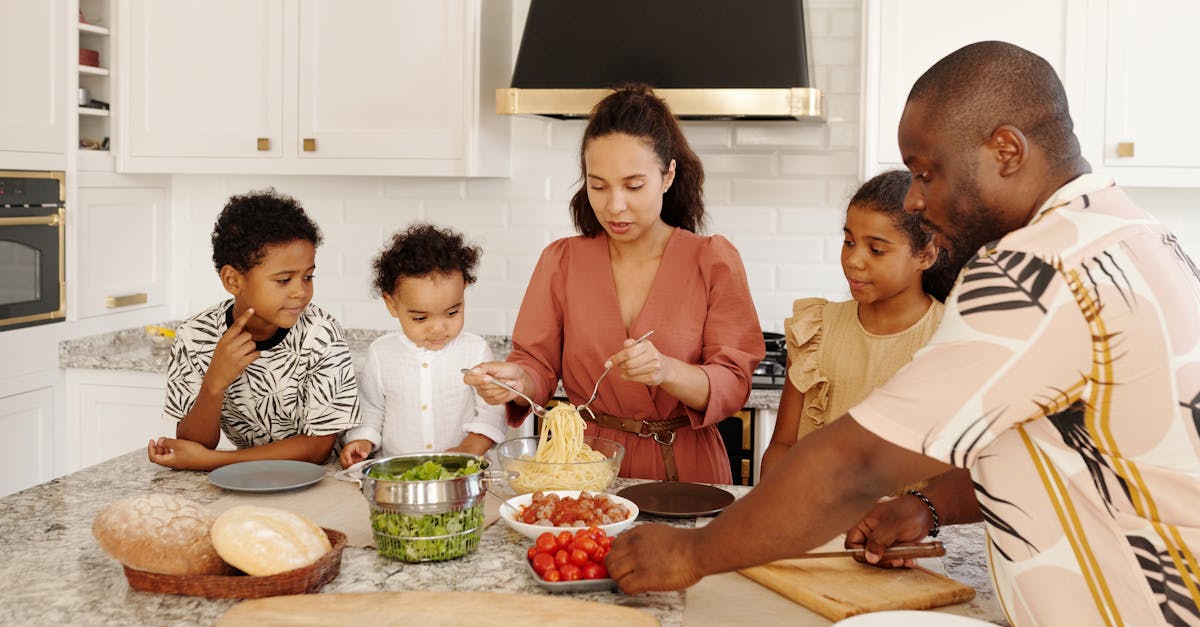
Scheduling a weekly “family cooking night” proved transformative. We pick a menu, divide tasks - one chops, another rolls dough, a third monitors the oven - and we end the night with everyone plating their own portion. The ritual mirrors what the Center for Science in the Public Interest identifies as a remedy to fast-food overreliance: shared preparation invites healthier choices (Wikipedia). Our kitchen whirs with conversation, the clang of pots becomes a soundtrack for connection, and the end result is a meal we’ve all invested in.
Themed nights keep excitement alive and also simplify planning. “Taco Tuesday” could mean assembled bowls with seasoned ground turkey, black beans, shredded lettuce, and a quick salsa made from canned tomatoes, onion, and lime. “Soup Sunday” uses a one-pot strategy: sauté aromatics, add broth, toss in any leftover veggies, and finish with noodles that cook in the same pot. Thematically rotating meals also mirrors the “Recession Meals” trend where influencers repurpose staples creatively, proving that variety doesn’t need exotic ingredients (Recent: Recession Meals).
Most importantly, these practices embed cooking into family identity. When children see their suggestions on the board become reality, they associate food with collaboration rather than passive consumption. That shift is crucial in a culture where fast-food marketing targets kids, as noted in multiple urban-legend studies (Wikipedia). By involving kids directly, we replace passive exposure with active participation.
Meal Planning for Families on a Budget
Budget-friendly planning starts with a “reuse loop.” I draft a 7-day menu that reintroduces core ingredients in new contexts, trimming waste and shopping costs. For example, a roasted chicken Sunday provides leftover shredded meat for Monday tacos, Wednesday soup, and Friday fried rice. This cyclical approach mirrors the “home-cooked meals for family” keyword demand while stretching dollars.
Next, I align the grocery list with weekly store flyers and seasonal produce. When tomatoes are in peak season (July-September), I boost fresh sauces and salads; in winter, I lean on root vegetables and frozen options, which retain nutrients and cost less. According to a 2026 CNET review of meal-delivery services, the most affordable kits still emphasize seasonal produce to keep prices low (CNET), confirming that timing is key.
Packaging leftovers wisely prevents the dreaded “food-goes-bad” scenario. I invest in portion-size containers with airtight lids - often labeled by meal and date. Leftover chili becomes a quick lunch on a Tuesday, while leftover quinoa is tossed into a hearty grain bowl for Thursday dinner. This habit lowers the per-meal cost and ensures nutrition persists beyond the initial plate.
Lastly, I create a “budget buffer” day - typically Thursday - where we use any stray ingredients that haven’t been utilized. This “flex slot” operates like a safety valve, preventing bulk purchases from turning into waste. The practice reflects consumer-group warnings about over-portioning fast-food meals, which can inflame both health and wallet concerns (Wikipedia).
Family Dinner Recipes: Simple, Flavorful Ideas
Three-ingredient pasta is my go-to for speed and satisfaction. I cook spaghetti, toss it with canned tomato sauce, and finish with grated Parmesan. The sauce’s simple acid-sweet balance makes it a canvas - add a splash of olive oil or a pinch of red pepper for extra zing. My teenage son swears by the “no-fuss pasta” because it’s quick, cheap, and universally liked.
The one-pot stir-fry epitomizes minimal cleanup. I heat a large skillet, add a drizzle of oil, then sauté a bag of frozen mixed vegetables with garlic and ginger (both pre-chopped). Next, I stir in a protein - sliced tofu or thin strips of chicken - followed by a splash of soy sauce and a teaspoon of honey for sweetness. Everything cooks in the same vessel, the flavors meld in five minutes, and cleanup is a single pot rinse.
Build-your-own taco bowl adapts to dietary needs effortlessly. The base is brown rice cooked with a pinch of cumin. Top it with a choice of protein - ground turkey, black beans, or sautéed tempeh - then add shredded lettuce, diced avocado, salsa, and a squeeze of lime. Each component stays separate until plating, letting each family member craft a personalized plate. This method aligns with recent “Recession Meals” themes, where flexibility combats budget constraints while keeping meals exciting (Recent: Recession Meals).
What ties these recipes together is an emphasis on pantry staples, quick protein options, and adaptable flavors. By keeping ingredient lists short, you reduce decision fatigue, reduce shopping trips, and still deliver meals that feel indulgent. When I first tried these dishes with my own family, the kids’ enthusiastic “again!” response confirmed that simplicity does not mean bland.
Quick Home-Cooked Meals for Busy Evenings
Preparation - the French call it “mise-en-place” - is the silent hero of speed. I spend 15 minutes on Sunday washing, chopping, and storing core veggies in zip-top bags; I also pre-measure dry goods like rice or lentils into portions. When a weekday rush hits, I simply pull a bag, heat the oil, and the pan is ready for a stir-fry without chopping every ingredient.
Appliance shortcuts cut cooking time dramatically. My pressure cooker reduces a pot-of-beans from two hours to thirty minutes; the slow cooker, set low overnight, delivers tender chili by morning. Both devices preserve nutrients while offering “set-and-forget” convenience. A 2026 Garage Gym Reviews article highlighted high-protein meal delivery services that often employ pressure cooking for efficiency, reinforcing that pressure cooking isn’t just for meat-loaf - it’s a budget, time-saving hero (Garage Gym Reviews).
Frozen veggies and pre-chopped aromatics are another secret. I keep a stash of frozen broccoli florets and a bag of diced onions and peppers. Because they’re flash-frozen at peak freshness, they retain flavor and nutrition, while the pre-dice eliminates tedious knife work. When paired with a protein and a simple sauce (soy-ginger, tomato-basil, or simply butter and herbs), you can have a plate-ready dinner in under 20 minutes.
By combining advance prep, smart appliance use, and the convenience of frozen components, you create a repeatable system that feels far removed from “fast food,” yet matches its speed. My family now turns the fridge into a short-list of quick-fire meals rather than a billboard of greasy temptations.
Meal Planning Made Simple: A Weekly Calendar
Designing a printable weekly grid turned my chaotic “what’s for dinner?” inbox into a visual workflow. The layout includes columns for each day, rows for “Main Dish,” “Prep Time,” and “Grocery Needs.” I print it on cardstock, slip it onto the fridge, and everyone sees the plan at a glance.
Including a “flex day” - usually Saturday - gives room for spontaneous cravings or impromptu leftovers. One week, a box of fresh strawberries appeared at the market; we pivoted our flex day to a strawberry-spinach salad, proving that built-in flexibility prevents the plan from feeling rigid.
Sunday reviews keep the cycle honest. I ask the family, “What worked? What didn’t?” and then adjust the next week’s menu. If a recipe took longer than expected, I mark the prep time for future reference, gradually refining the calendar’s accuracy. This iterative method mirrors the practice of meal-kit companies that tweak deliveries based on consumer feedback (Good Housekeeping), only without the subscription cost.
Over time, the calendar becomes a living document: it highlights when certain proteins run low, signals seasonal produce availability, and even reminds us to rotate pantry staples to avoid expiration. The simple visual cue not only improves budgeting - by reducing impulse buys - but also reinforces family cohesion, as each member can see their contribution represented each week.
Bottom line
Our recommendation: start with a basic pantry, involve the whole family in a weekly menu board, and use a printable calendar to keep meals organized and affordable. By following these steps, you’ll transition from occasional home cooking to a sustainable, health-forward routine.
- Today, list five pantry staples you already have and add one new seasoning.
- By Friday, create a simple weekly grid and schedule one “family cooking night.”
Key Takeaways
- Prep on Sunday to shave weekday minutes.
- Use pressure/slow cookers for speed and flavor.
- Print a weekly grid to visualize meals.
- Include a flex day for spontaneous meals.
FAQ
Q: How can I keep healthy meals affordable for a large family?
A: Buy in bulk, use seasonal produce, and plan a menu that reuses ingredients across several meals. Strategies like roasting a whole chicken and repurposing leftovers reduce waste and stretch your budget.
Q: What are the essential tools for a beginner kitchen?
A: A sharp chef’s knife, a sturdy skillet, a medium saucepan with lid, a wooden spoon, and a colander cover most tasks. Upgrade gradually - start with quality over quantity.
Q: How do I involve kids in meal planning without creating chaos?
A: Use a visible menu board and let them vote on themed nights. Assign age-appropriate tasks like washing vegetables or setting the table to foster ownership.
Q: Are frozen vegetables as nutritious as fresh ones?
A: Yes. They are flash-frozen at peak ripeness, preserving vitamins and minerals. They’re especially useful for quick meals and reduce prep time.
Q: What’s the best way to store leftovers to keep them fresh?
A: Use airtight containers labeled with the date and meal name. Store in the fridge for up to four days, or freeze for longer shelf life.
Q: How can I make a quick weeknight dinner without a lot of ingredients?