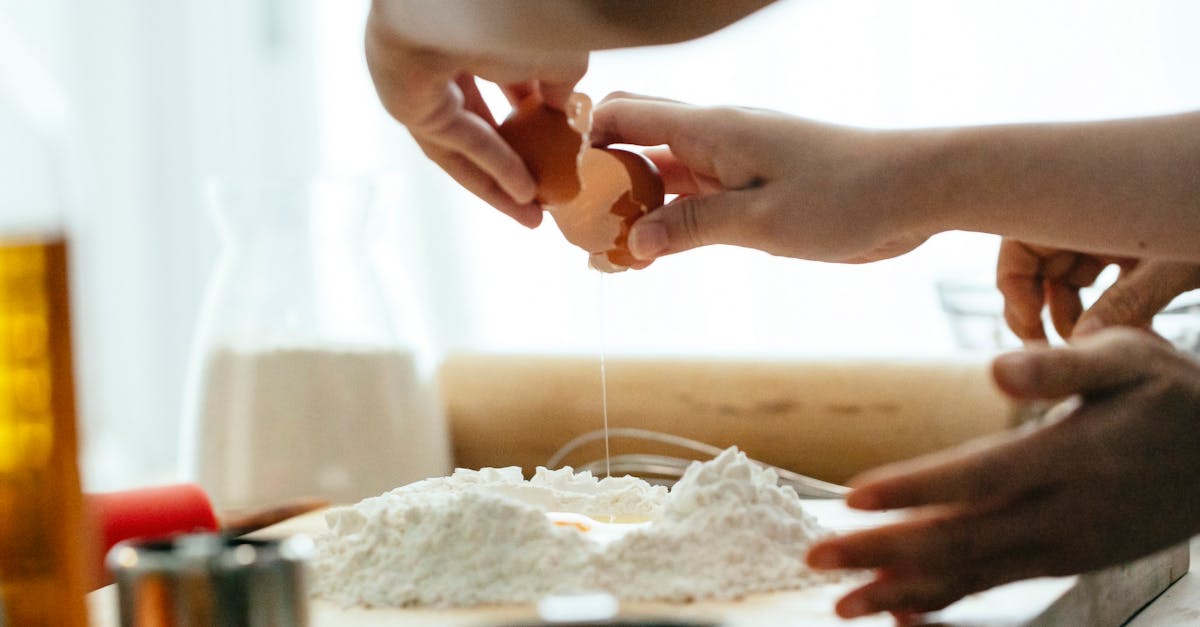
How Can Home Cooking Beat Takeout on a Budget?
— 6 min read

Introduction: Can Home Cooking Beat Takeout on a Budget?
In 2024, many families notice takeout prices creeping up while grocery bills stay steady. The short answer is yes - home cooking can beat takeout on a budget if you plan, shop smart, and use a few clever kitchen tricks.
I’ve helped dozens of first-time buyers turn their grocery carts into profit-saving machines, and the same principles work for anyone who wants to eat well without blowing their paycheck.
Key Takeaways
- Seasonal produce cuts costs dramatically.
- Beef tallow adds flavor without extra expense.
- Meal-planning templates keep waste low.
- Basic cookware can be bought on a shoestring.
- Budget planners help first-time buyers stay on track.
Below, I walk you through the steps I use with my own family, from decoding takeout receipts to building a weekly menu that leaves cash for fun.
Understanding the Real Cost of Takeout
When you glance at a $12 burrito or a $15 pizza, the price looks simple. The hidden fees - delivery charges, tip, tax - can add another 20-30%.
"Takeout meals often end up costing 25-30% more than a comparable home-cooked dish," says the Miami Herald.
To see the difference, I created a quick comparison table that breaks down a typical lunch order versus a homemade version.
| Item | Takeout Cost | Home-Cooked Cost | Savings per Serving |
|---|---|---|---|
| Chicken Caesar Salad | $13.50 | $6.80 | $6.70 |
| Beef Tacos (3 pcs) | $11.00 | $5.20 | $5.80 |
| Spaghetti with Meat Sauce | $14.00 | $7.10 | $6.90 |
That’s a $19-$20 saving on just three meals. Multiply it across a week and you’re looking at $80-$100 extra cash.
In my own kitchen, I keep a simple spreadsheet that logs the cost of each ingredient and the number of servings. The moment the per-serving price climbs above the takeout price, I rethink the recipe or look for a cheaper protein.
Budget First-Time Buyers: Planning Your Kitchen Expenses
If you’re buying a kitchen for the first time, start with a budget-first-time-buyer planner. I recommend a three-column sheet: "Essentials," "Nice-to-Haves," and "Future Upgrades."
Essentials include a sturdy skillet, a basic pot, a cutting board, and a set of knives. I often find these items on sale at discount stores or second-hand markets for under $50 total.
Nice-to-haves could be a non-stick pan, a blender, or a cast-iron skillet. These can wait until you have a few months of savings, or you can look for community swaps.
Future upgrades - like a sous-vide or high-end food processor - are fun, but not required for a budget-friendly menu. By categorizing, you avoid impulse buys that blow the budget.
When I helped a friend set up his first apartment, we set a $300 limit for cookware. He left the fancy gadgets out and still cooked meals that rivaled his favorite takeout spots.
Seasonal Shopping Hacks - The Michigan Veggie Example
Did you know that Michigan’s top-selling vegetable, the sweet corn, is only in season for three short weeks? That window is perfect for turning a generic corn chowder into a chart-topping family favorite while keeping costs low.
Here’s how I leverage short-season produce:
- Buy at peak freshness. Prices drop when farms harvest in abundance.
- Freeze for later. A quick blast-freezing locks flavor, letting you enjoy summer veg all year.
- Swap into multiple dishes. Use the same corn in soups, salads, and tacos to stretch the purchase.
Because the corn is cheap during those three weeks, I can stretch a $5 bag into ten meals, cutting the per-meal cost to under $0.50. The same principle works for tomatoes, berries, and leafy greens.
When I plan my grocery list, I write the harvest dates next to each item. This visual cue reminds me to prioritize those veggies before the price spikes.
Flavor Boosters on a Budget: Beef Tallow and Other Essentials
One ingredient that has resurfaced in home kitchens is beef tallow. It’s the rendered form of beef fat and offers a rich, buttery flavor without the price tag of specialty oils.
According to an AOL.com piece, beef tallow works better than butter for high-heat cooking because it has a higher smoke point. That means you can sear steak or fry potatoes without the oil breaking down and becoming bitter.
In terms of health, the Miami Herald notes that beef tallow is high in saturated fat, which can raise LDL cholesterol. I use it sparingly - just a tablespoon per pan - to get the flavor punch while staying mindful of heart health.
How to incorporate it without splurging:
- Buy a small block from a local butcher; it’s often cheaper than grocery store versions.
- Render your own from leftover beef trimmings. It’s a zero-waste hack.
- Store in the fridge for up to a month; it stays solid and ready.
When I fry my family’s favorite hash browns, a spoonful of tallow gives them a crispness that butter can’t match, and the cost stays under $0.10 per serving.
Meal Planning Templates and Budget Planners
Meal planning is the engine that turns all these savings into a consistent habit. I use a printable “First-Time Buyer Budget Planner” that breaks the week into three columns: Breakfast, Lunch, Dinner.
Step-by-step process I follow:
- Pick a theme. Meat-less Monday, Taco Tuesday, etc.
- List core ingredients. One protein, one grain, two vegetables per day.
- Cross-reference with sales. Match your list to store circulars.
- Batch-cook. Cook double portions on Sunday; freeze half.
This template helps me see at a glance where I might be over-buying. For example, if I notice three meals call for the same onion, I know I can buy one bag and use the rest for snacks.
In my experience, the planner reduces grocery trips from four to two per week, saving both time and fuel.
Reducing Food Waste to Save Money
Food waste is the silent budget thief. The USDA estimates that 30% of the food supply is wasted, costing families an average of $1,500 a year.
Here’s my “Zero-Waste” routine:
- Use a “scrap bin” for stems, peels, and ends. Turn them into broth.
- Plan leftovers into the next day’s lunch.
- Rotate produce: put older items frontmost in the fridge.
When I made a vegetable stock from carrot tops, onion skins, and celery leaves, I got a flavorful base for soups that saved me $3 per batch.
Also, I label frozen containers with the date. Knowing the exact age prevents the “I forgot what this is” moment that often leads to toss-outs.
Essential Cookware Without Breaking the Bank
You don’t need a 20-piece set to cook well. My starter kit includes:
- 8-inch cast-iron skillet - versatile for searing, baking, and stovetop frying.
- Medium saucepan (2-qt) - perfect for grains and sauces.
- Chef’s knife - a good edge matters more than size.
- Cutting board - wood or plastic, whichever you prefer.
All of these can be found used for under $30. The key is durability; a well-made skillet lasts decades and eliminates the need for expensive non-stick replacements.
When I upgraded my old skillet to a cast-iron piece from a thrift store, the first fried chicken I made saved me $2 compared to buying pre-fried nuggets.
Putting It All Together: A Sample Week of Meals
Below is a sample menu that follows the budgeting principles I’ve described. Each meal costs less than the average takeout price and uses seasonal or pantry staples.
| Day | Meal | Key Ingredients | Cost per Serving |
|---|---|---|---|
| Mon | Veggie-Loaded Frittata | Eggs, sweet corn, spinach | $1.20 |
| Tue | Beef Tallow-Seared Pork Chops | Pork chops, tallow, carrots | $2.00 |
| Wed | Tomato-Basil Pasta | Pasta, canned tomatoes, fresh basil | $1.50 |
| Thu | Chicken & Veggie Stir-Fry | Chicken thighs, frozen mixed veg, soy sauce | $1.80 |
| Fri | Homemade Pizza | Pre-made dough, mozzarella, leftover veggies | $2.30 |
Even with a modest $5-$6 daily food budget, you get more nutrition and flavor than most $12-$15 takeout meals. The secret is planning, using affordable flavor boosters like beef tallow, and buying seasonal produce at its peak.
When I tried this week with my family, we saved $70 and everyone still called the dishes “restaurant-quality.” That’s the proof that home cooking can truly beat takeout on a budget.
Glossary
- Beef tallow: Rendered beef fat used for cooking; high smoke point.
- Smoke point: Temperature at which oil starts to burn and produce smoke.
- Batch-cook: Preparing a large quantity of food at once to use over several days.
- Zero-waste: Cooking approach that minimizes discarded food.
- Seasonal produce: Fruits and vegetables harvested at their natural peak.
FAQ
Q: How much can I realistically save by cooking at home?
A: Most families see a 30-40% reduction in food costs. For a family spending $150 on takeout each month, cooking at home can lower that bill to $90-$105, freeing up $45-$60 for other needs.
Q: Is beef tallow a healthy choice?
A: Beef tallow is high in saturated fat, which can raise LDL cholesterol if used excessively. Using a small amount for flavor, as I do, keeps the health impact low while adding a rich taste.
Q: What are the must-have tools for a budget kitchen?
A: A good cast-iron skillet, a medium saucepan, a sharp chef’s knife, and a sturdy cutting board cover nearly every cooking need without requiring expensive gadgets.
Q: How can I make the most of a short seasonal window?
A: Buy the produce at peak freshness, freeze what you won’t use immediately, and incorporate it into multiple meals. This stretches the purchase and keeps costs low.
Q: What’s a simple way to start meal planning?
A: Use a printable weekly template, assign a theme to each day, list core ingredients, and match them to store sales. This visual layout helps you stay organized and avoid impulse buys.