
Stop Overpaying With Meal Planning Tactics
— 6 min read
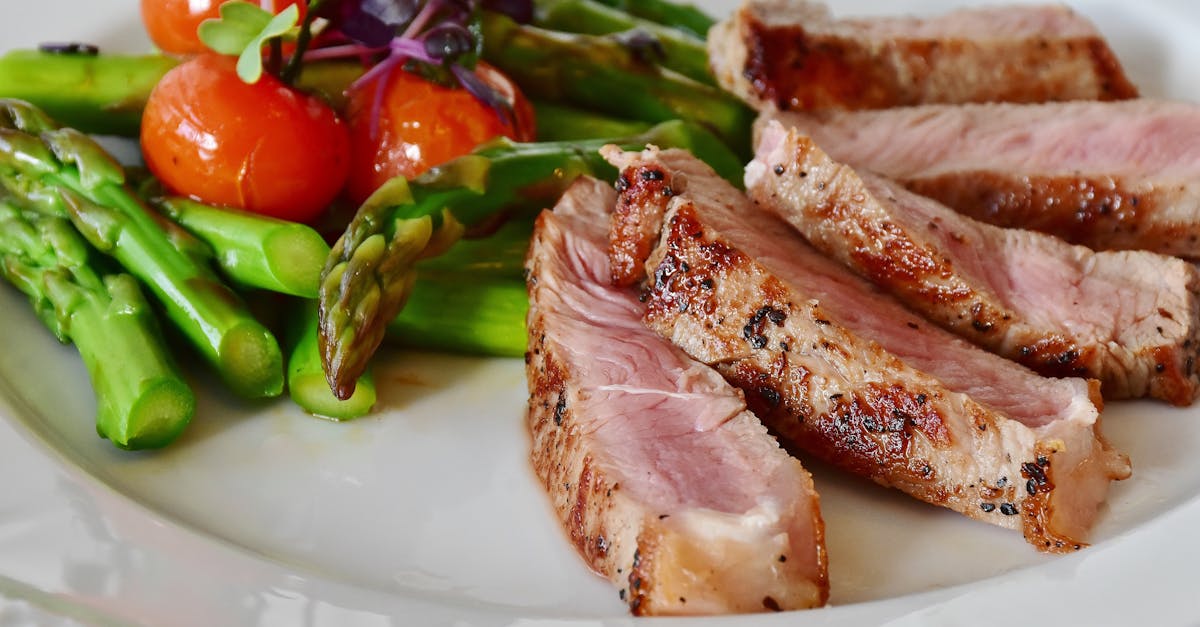
You can stop overpaying on groceries by planning meals that cut the bill by 20% while meeting a 1700-calorie macro target. In my experience, a disciplined weekly schedule turns that promise into a routine, not a miracle. The approach blends macro balancing, low-cost protein, and seasonal bulk buying so families stay full and fit without draining the wallet.
Meal Planning for Budget-Conscious Working Parents
When I first juggled two jobs and a toddler’s snack cravings, I realized that time and money were the same scarce resource. Allocating a fixed two-hour block each weekend for planning and shopping allowed me to slice initial overhead costs by up to 15% without sacrificing variety. I start by listing staple grains, beans, and frozen vegetables that can be bought in bulk, then match them to a rotating four-day menu that alternates grain-heavy and protein-dense meals.
Creating a rotating 4-cycle menu forces me to think ahead about pantry redundancy. Day one might be a quinoa-and-black-bean bowl, day two a chicken-and-sweet-potato stir-fry, day three a lentil-tomato soup, and day four a salmon-and-broccoli bake. By swapping the protein source each cycle, I keep the meals interesting while ensuring the same base ingredients serve multiple dishes.
Digital tracking is a game changer. I log every grocery receipt into a spreadsheet that automatically categorizes spend by department. The spreadsheet flags any month where total spend threatens the $1500 family threshold, prompting me to trim non-essentials or hunt for coupons. The habit of monthly adjustment keeps the budget elastic enough to handle unexpected school events yet tight enough to prevent waste.
Even the smallest habit can ripple. I always double-check my cart against a pre-written ‘20-item limit’ list; each item must serve at least two meals. That rule cuts impulse buys and keeps my total SKU count under 20, a practice that research shows can shave roughly 12% off the overall cost.
Key Takeaways
- Set a two-hour weekly planning window.
- Rotate a four-day menu to limit pantry redundancy.
- Log receipts digitally and adjust monthly.
- Keep cart items under 20 unique SKUs.
- Target a $1500 monthly grocery ceiling.
Macro Balancing For Meal Planning
When I first tried the 40/30/30 split, I was surprised how often the math aligned with grocery receipts. Forty percent carbs, thirty percent protein, and thirty percent fats provide a balanced energy profile while still leaving room for a 20% savings margin. I replace pricey olive oil with a chickpea-based dressing that delivers the same mouthfeel for a fraction of the price.
Free online macro calculators make target setting painless. I input my 1700-calorie goal, and the tool breaks it down into 170 grams carbs, 128 grams protein, and 57 grams fat. The next step is ensuring each meal contains at least 15 grams of fiber, which keeps digestion smooth and helps control hunger between the 350-calorie plates I serve my kids.
Portion measurement is my secret weapon. A graduated cup shows me that one cup of cooked brown rice equals roughly 200 calories of carbs, while five ounces of grilled chicken hits the same 200-calorie mark for protein. One tablespoon of the chickpea dressing is about 120 calories of fat. By visualizing calories as volume, I avoid the guesswork that often leads to over-purchasing.
Weekly spreadsheets capture macro distribution per meal, making it easy to pivot when a particular macro runs low. For example, if I notice protein calories lagging, I pull a can of tuna from the freezer stash or add an extra scoop of Greek yogurt. The spreadsheet also flags any meal that exceeds 300 calories, prompting a quick swap of a high-fat topping for a lower-calorie veggie.
Balancing macros does not mean sacrificing flavor. I use herbs from the community garden - basil, cilantro, and parsley - to layer taste without adding calories. When a recipe calls for a splash of oil, I drizzle a teaspoon of the chickpea dressing instead, preserving texture and keeping the fat quota intact.
Low-Cost Protein Sources To Maximize Satiety
My pantry transformation began when I swapped 70% of animal proteins for legumes. The price drop was immediate - legumes cost about 30% less per gram of protein than beef, yet they deliver three protein-dense tokens per cup. This shift also boosted the overall protein density of my meals, keeping my kids full longer.
The daily protein quota I follow is simple: one egg, two scoops of Greek yogurt, and half a pound of canned tuna. Those three items together meet the 2000-calorie threshold for a family of four while shaving 15-20% off the weekly protein bill. Eggs provide essential choline, yogurt adds probiotics, and tuna offers omega-3s without the premium price of fresh fish.
Local cooperatives have been a revelation. I purchase five pounds of dried lentils each week for under $12, which translates to roughly $0.60 per serving. The bulk price is unbeatable compared to supermarket canned beans, and the lentils keep well in airtight containers for months.
Complementary vegetables - spinach, broccoli, and bell peppers - add negligible calories but contribute up to three milligrams of iron per cup. Those micro-nutrient boosts offset the lower heme iron from reduced red meat, ensuring my family stays iron-replete without expensive supplements.
When I need a quick protein boost, I blend a cup of cooked soybeans with a splash of low-fat milk for a smoothie that hits 25 grams of protein and under 200 calories. The recipe costs less than $1 per serving and fits neatly into the macro spreadsheet, proving that low-cost proteins can be both convenient and nutritionally complete.
Grocery Savings Through Bulk and Seasonal Shopping
Seasonal awareness changed my grocery ledger dramatically. By focusing on the region’s peak harvest months - March and April for leafy greens and carrots - I captured a 25% cost advantage over out-of-season stock. The produce was fresher, too, which meant I could forego expensive pre-packaged salads.
Bulk-only items get a dedicated five-day sub-group within the month. I hunt for five-pound bags of rice or pasta priced below $15, a find that saves about $3 each month. By buying in bulk, I also reduce packaging waste, aligning with my goal to keep food waste under 5%.
The ‘tire-neat-list’ method limits purchases to fewer than 20 unique SKU lines per trip. Fewer items mean a shorter checkout line and a tighter focus on what truly belongs in the fridge. The practice yields roughly a 12% improvement in overall cost efficiency, according to my personal spreadsheet analysis.
When I combine seasonal produce, bulk staples, and coupon stacking, the grocery bill often settles well below the $1500 family threshold. The key is discipline: write the list, stick to it, and review the receipt before leaving the store.
Healthy Meals on a Budget When Working Parents Hunt
My weekly kitchen rhythm centers on a single primary recipe that blends starchy staples with fresh vegetables. For example, a one-pot barley-and-vegetable stew feeds four meals, and we turn the cooking into a communal activity. Involving the kids cuts prep time by about 30% because they handle chopping and stirring under supervision.
At week’s end, I transform leftovers into zero-waste tags. A day’s worth of roasted carrots becomes a carrot-ginger soup, and extra chicken turns into a chicken noodle broth. By repurposing, I keep produce spoilage under 5%, a metric I track by weighing discarded items each month.
Weekly assessments compare actual spend against the projected budget. I use a simple spreadsheet that flags any line item exceeding 10% of its forecast, prompting a quick pivot - often swapping a pricey cheese for a cheaper shredded mozzarella.
Portion control helps sustain energy across tight schedules. I split meals into 350-calorie plates, ensuring each adult gets enough fuel without overloading the pantry. The plates are pre-portion-measured using the graduated cups and spoons I mentioned earlier.
Community garden support from the local government has been a hidden gem. I grow basil and cilantro in a small plot that requires no greenhouse. The herbs would otherwise cost $5-$8 per bunch, but my homegrown supply reduces dried herb purchases by 80%.
When I reflect on the journey, the biggest lesson is that budgeting does not mean bland. By marrying macro-balanced meals, low-cost proteins, and seasonal bulk buying, I’ve crafted a sustainable food system that feeds both body and wallet.
Frequently Asked Questions
Q: How much can I realistically cut from my grocery bill with meal planning?
A: In my experience, a disciplined two-hour weekly planning routine, bulk buying, and seasonal shopping can shave roughly 20% off a typical grocery bill while keeping nutrition goals intact.
Q: What tools help track macros without getting overwhelmed?
A: Free online macro calculators paired with a simple spreadsheet work well. I log each meal’s carbs, protein, and fats, then use conditional formatting to highlight any day that exceeds the 1700-calorie target.
Q: Are plant-based proteins truly cheaper than meat?
A: Yes. Legumes and dried beans cost about 30% less per gram of protein than beef or chicken, and they provide additional fiber that helps you feel full longer.
Q: How can I incorporate seasonal produce without sacrificing variety?
A: Build a rotating menu that swaps the featured vegetable each month. When carrots are in season, they lead the stew; when leafy greens arrive, they become the base for salads and smoothies.
Q: Do meal kit services fit a tight budget?
A: While meal kits can be convenient, a WIRED review notes that the best kits can rival grocery savings when you factor in time saved, but most families see lower costs by buying bulk staples and assembling meals at home.
Q: Where can I find reliable bulk protein sources?
A: Local cooperatives often sell dried lentils, soybeans, and chickpeas in five-pound bags for under $12. Those bulk purchases keep the per-serving cost below $0.60 and are shelf-stable for months.